🏛 The Heritage of Odia Calendar & The Six Canonical Panjikas (ଓଡ଼ିଆ କ୍ୟାଲେଣ୍ଡର ଇତିହାସ)
The Odia Calendar (ଓଡ଼ିଆ କ୍ୟାଲେଣ୍ଡର) is a classical lunisolar almanac structured on Vedic astronomy and the mathematical principles of the Siddhanta Darpana authored by Mahamahopadhyaya Chandrasekhara Singha Samanta (Pathani Samanta). It directs civil events, agricultural cycles, and temple rituals throughout Odisha.
🌌 1. The Astronomical Mechanics: A Dual Lunisolar Balance
The Odia almanac coordinates solar motion (*Saura Mana*) with lunar phases (*Chandra Mana*):
☀️ The Solar Year (ସୌର ମାନ)
The civil calendar tracks the solar transit (*Sankranti*) into the 12 zodiac constellations (*Rasis*), starting on Maha Vishuva Sankranti (Pana Sankranti) as the sun enters Mesha. Solar months range between 29 and 32 days.
🌙 The Lunar Months (ଚାନ୍ଦ୍ର ମାନ)
Religious vows (*Oshas* and *Bratas*) follow the lunar fortnight (*Paksha*). The Odia tradition adheres to the Purnimanta system, where the lunar month culminates on the full moon (*Purnima*).
To balance the 354-day lunar calendar with the 365.25-day solar year, an intercalary month termed Mala Masa or Adhika Masa is inserted approximately every 32 to 33 months.
🛕 2. The Sacred Anchor: Puri Jagannath Temple & Muktimandap
The calendar coordinates daily rituals within the 12th-century Shree Jagannath Temple in Puri. Astrologer servitors read the daily Panjika (*Panjika Patha*) during morning ablutions (*Abakasha Niti*), determining the timings for offerings (*Dhupa*), attire (*Besha*), and the annual *Snana Yatra* and *Ratha Yatra*. Festival dates are verified by the Muktimandap Pandita Sabha.
📜 3. Odisha's Six Canonical Almanac Traditions
Six authoritative press institutions publish canonical panjikas in Odisha:
📙 1. Kohinoor Odia Calendar
(କୋହିନୂର ଓଡ଼ିଆ କ୍ୟାଲେଣ୍ଡର)
Founded in Cuttack, Kohinoor Press Panjika is widely referenced across coastal and central Odisha for Puri temple nitis, wedding muhurtas, thread ceremonies, and foundation stones.
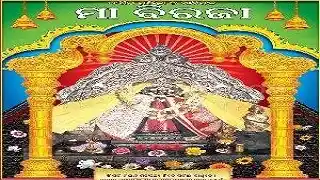
📕 2. Biraja Odia Calendar
(ବିରଜା ଓଡ଼ିଆ କ୍ୟାଲେଣ୍ଡର)
Originating from the Biraja Kshetra of Jajpur, the Biraja Panjika specializes in solar tithi calculations and provides authoritative dates for Shakta observances, Sharadiya Durga Puja, and Mahalaya Tarpana.
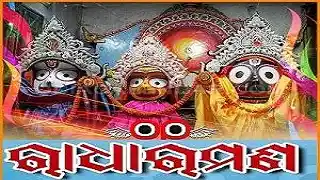
📗 3. Radharaman Odia Calendar
(ରାଧାରମଣ ଓଡ଼ିଆ କ୍ୟାଲେଣ୍ଡର)
One of the earliest press publications in the state, Radharaman Press Panjika provides astrological tables for housewarming (*Gruhapravesha*), business agreements, and journey muhurtas.
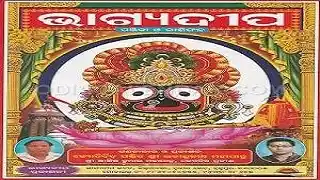
📘 4. Bhagyadeep Odia Calendar
(ଭାଗ୍ୟଦୀପ ଓଡ଼ିଆ କ୍ୟାଲେଣ୍ଡର)
Bhagyadeep Panjika incorporates *Drik Ganita* planetary observation alongside classical Siddhantic methods, detailing daily Rahu Kala, Gulika Kala, and planetary transitions.
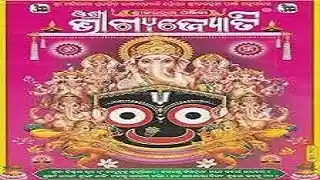
📙 5. Bhagyajyoti Odia Calendar
(ଭାଗ୍ୟଜ୍ୟୋତି ଓଡ଼ିଆ କ୍ୟାଲେଣ୍ଡର)
Widely consulted across Western and Southern Odisha, Bhagyajyoti Panjika presents daily Amrita Bela and Mahendra Bela periods utilized by agricultural and commercial establishments.
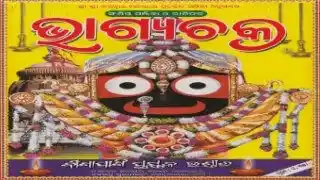
📓 6. Bhagyachakra Odia Calendar
(ଭାଗ୍ୟଚକ୍ର ଓଡ଼ିଆ କ୍ୟାଲେଣ୍ଡର)
Bhagyachakra Panjika records regional agrarian traditions, rural harvest rites, and customary fasts including Sudasha Brata, Savitri Brata, and Khudurukuni Osha.
🌾 4. Agrarian Rhythm & Regional Traditions
The Odia calendar is integrated with the seasonal agricultural cycle:
-
Akshaya Tritiya (Baisakha): Ceremonial ploughing (*Akhi Muthi Anukula*) and paddy sowing commence, alongside chariot construction for Ratha Yatra in Puri.
-
Raja Parba (Asadha): Four-day festival marking the arrival of monsoon rains and honoring the fertility of the earth.
-
Nuakhai (Bhadraba): Celebrated in Western Odisha with the ceremonial consumption of newly harvested rice (*Nabanna*) offered to local presiding deities.
-
Kartika Purnima & Boita Bandana: Commemorates ancient maritime trade expeditions to Southeast Asia with the floating of miniature boats across rivers and tanks.
-
Manabasa Gurubara (Margashira): Worship of Goddess Lakshmi on harvest Thursdays, marked by traditional rice-paste artwork (*Jhoti Chita*) and grain measurements.